Understanding Metal Roof Replacement
In the evolving realm of home renovation, Metal Roof Replacement has emerged as a transformative choice for homeowners. A metal roof is not just a practical solution; it also offers aesthetic enhancements that can elevate a property's overall value. Understanding the fundamental aspects of metal roof replacement is crucial for anyone considering this significant investment.
What is Metal Roof Replacement?
Metal roof replacement involves removing an existing roof—often made of asphalt shingles, tiles, or wood—and installing a new roof constructed from metal materials such as steel, aluminum, or copper. The process typically entails comprehensive assessments of the current roofing structure and the replacement of any underlying issues, ensuring a solid foundation for the new roof. It's a project that should be undertaken with careful planning and consideration.
Benefits of Choosing Metal Roofing
- Durability: Metal roofs boast lifespans of 40-70 years, easily outlasting traditional roofing materials.
- Energy Efficiency: Reflective metal roofs can significantly reduce cooling costs in hot climates by deflecting solar heat.
- Eco-Friendly: Metal is often made from recycled materials and is recyclable at the end of its life, making it a sustainable choice.
- Low Maintenance: With fewer problems associated with leaks or rot, metal roofs require minimal upkeep.
- Enhanced Protection: They are resistant to extreme weather conditions, including wind and hail.
Common Myths About Metal Roof Replacement
Despite growing popularity, misconceptions about metal roofs persist. Some homeowners believe metal roofs are excessively noisy during rainstorms; however, proper installation with underlayment can mitigate sound. Another myth is that metal roofs are prone to rust, which is largely unfounded with modern coatings and alloys designed to resist corrosion.
Cost Factors in Metal Roof Replacement
Average Costs for Metal Roof Replacement
The cost of metal roof replacement can vary widely based on factors such as roof size, material type, and labor costs. On average, homeowners can expect to pay between $7 and $35 per square foot for installation. Overall project costs may range from $14,000 to $50,000, depending on the complexity of the roof design and local market rates.
How Material Choice Affects Pricing
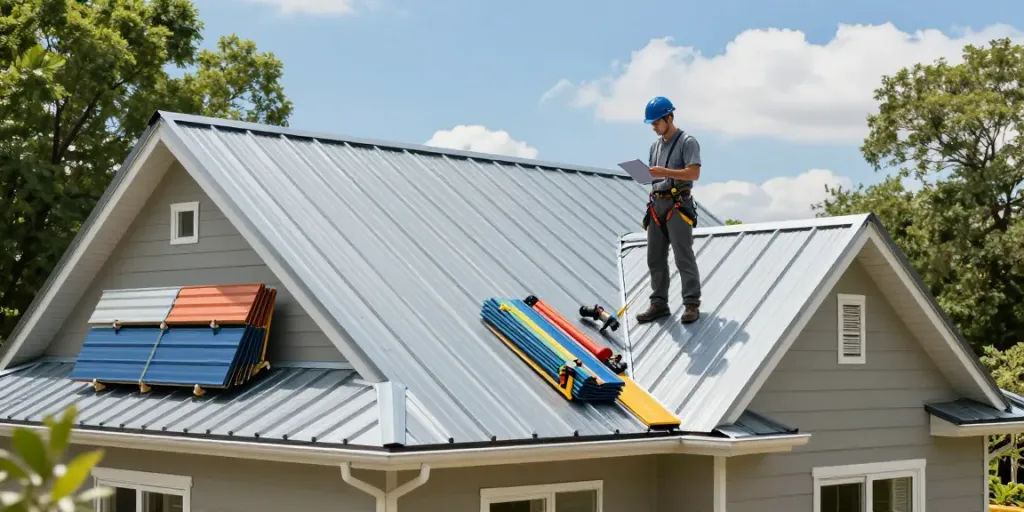
Choosing the type of metal can have a substantial impact on the overall cost. For instance, galvanized steel is typically more affordable compared to copper or standing seam panels, which are more costly but offer superior longevity and aesthetics. Homeowners must weigh the price against the long-term benefits of their selection.
Hidden Costs to Watch Out For
While planning for a metal roof replacement, it is essential to consider potential hidden costs. These may include:
- Disposal fees for the old roofing material.
- Structural reinforcements if the existing roof cannot support the weight of metal.
- Upgrades to insulation or ventilation systems.
Choosing the Right Contractor for Metal Roof Replacement
What to Look for in a Roofing Contractor
Selecting the right contractor is critical for ensuring quality workmanship. Key factors to consider include:
- Experience with metal roof installations.
- Positive customer reviews and testimonials.
- Local expertise and familiarity with building codes.
Interview Questions for Potential Contractors
When interviewing contractors, ask about:
- Their specific experience with metal roofs.
- Warranty options on both materials and labor.
- Timeline for completion and potential disruptions.
Verifying Licenses and Insurance
Before making a final decision, ensure that the contractor holds the necessary licenses and insurance. This protects you from liabilities in case of accidents during installation and gives you peace of mind regarding the legitimacy of their business.
Steps in the Metal Roof Replacement Process
Preparing Your Home for Replacement
Preparation is key for a successful metal roof replacement. Homeowners should clear the area around their home and ensure that pets and children are kept at a safe distance. Discuss logistics with your contractor, including the placement of dumpsters and the schedule of work.
What Happens During Installation?
The installation process generally unfolds in several stages:
- Removal of the existing roofing material.
- Inspection and repair of the roof deck.
- Installation of underlayment for added moisture protection.
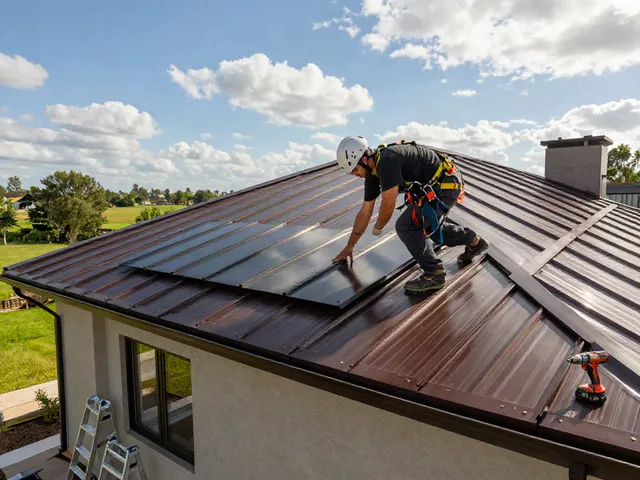
- Placement of metal panels and secure fastening.
- Final inspections and cleanup of the job site.
Post-Installation Maintenance Recommendations
After installation, routine maintenance will help prolong the lifespan of your new metal roof. This includes:
- Regular cleaning to remove debris and dirt.
- Inspecting for loose screws or any signs of corrosion.
- Ensuring proper drainage to prevent water pooling.
Future Trends in Metal Roofing
Innovations in Metal Roofing Materials
The metal roofing landscape is evolving, with manufacturers developing innovative materials that enhance durability, aesthetics, and energy efficiency. For instance, cool roofing technologies that reflect sunlight are growing in popularity, offering homeowners a way to reduce energy consumption.
Environmental Considerations in Roofing
As sustainability becomes an essential factor, eco-friendly roofing options are on the rise. Metal roofs, being recyclable and often produced from recycled materials, align well with environmentally conscious building practices.
Predictions for Metal Roof Longevity and Performance by 2026
Experts predict that advancements in coating technologies will further extend the lifespan of metal roofs, potentially reaching up to 80 years. Additionally, enhanced performance in terms of energy efficiency will likely become standard as homeowners look for cost-effective solutions.
What is the average cost of a metal roof replacement?
The average cost of a metal roof replacement typically ranges from $14,000 to $50,000, depending on various factors such as material choice and roof complexity.
Is it cheaper to put a metal roof or shingles?
While metal roofs may have a higher upfront cost than shingles, their durability and energy efficiency can lead to lower long-term expenses, making them a more cost-effective option over time.
How much should a 2000 sq ft metal roof cost?
For a 2000 square foot area, the metal roof replacement cost can range from $14,000 to $28,000, based on the type of metal used and the installation specifics.
What is the average price for a 3 ft by 8 ft metal roof?
The price for a 3 ft by 8 ft metal roofing panel can range from $50 to $120, depending on the material choice and design.