Understanding the Basics of Appliance Installation
Whether you're a seasoned homeowner or a first-time renter, understanding the intricacies of appliance installation is vital for ensuring your household functions smoothly. From selecting the right appliance for your space to executing a proper installation, the process significantly impacts the efficiency and longevity of your appliances. As we dive into this comprehensive guide, we'll explore what appliance installation entails, why it is essential, and the common appliances that often require installation.
What is Appliance Installation?
Appliance installation refers to the process of setting up household devices, ensuring they are correctly configured for use. This includes connecting appliances to power sources, water lines, and any required ventilation systems. The installation process varies significantly depending on the type of appliance, its complexity, and specific manufacturer guidelines.
Why Proper Installation Matters
Proper installation is crucial for several reasons:
- Efficiency: Appliances installed correctly function optimally, saving energy and reducing utility bills.
- Longevity: Proper setup can extend the lifespan of your appliance by minimizing wear and tear.
- Safety: Incorrect installation can lead to hazards such as electrical failures, leaks, or even fires.
Common Appliances Requiring Installation
Many household appliances require specific installation procedures. Common examples include:
- Refrigerators
- Washing Machines
- Dryers
- Dishwashers
- Ovens and Ranges
Tools and Equipment for Appliance Installation
Equipping yourself with the right tools and equipment is essential for successful appliance installation. This sets the foundation for a smooth process and minimizes any potential mishaps.
Essential Tools Every Installer Should Have
Here are some must-have tools for any installation job:
- Drill and drill bits
- Screwdrivers (flat-head and Phillips)
- Wrench set for securing connections
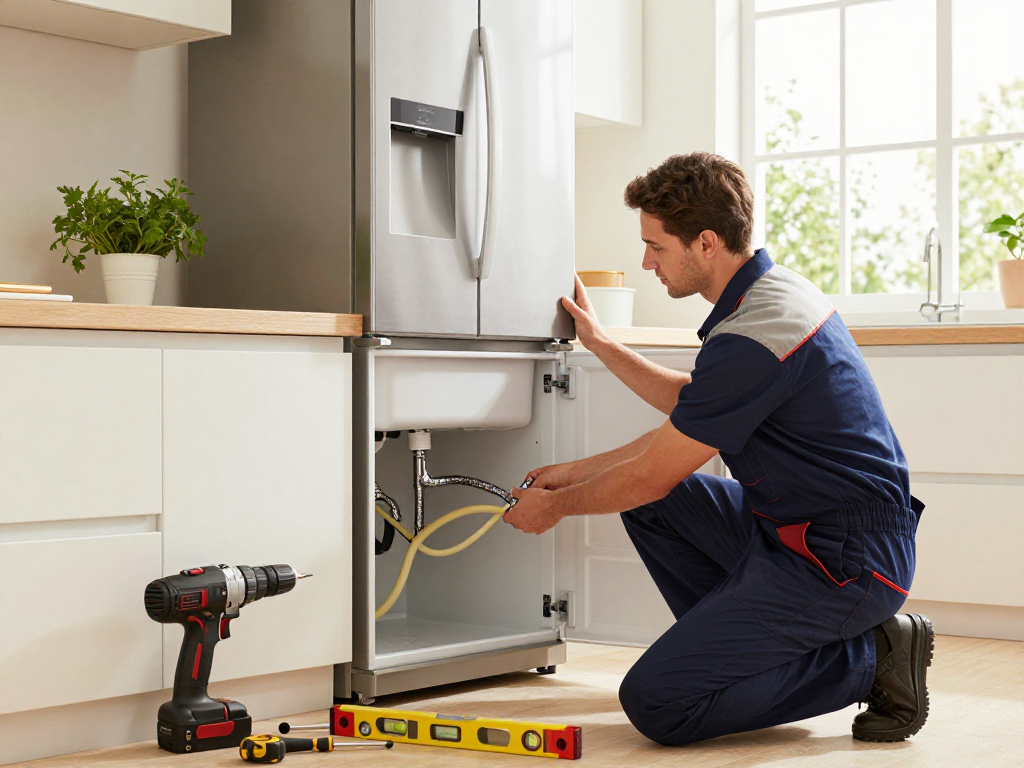
- Level to ensure appliances are installed evenly
- Measuring tape for assessing space
- Utility knife for unpacking and cutting boxes
Safety Equipment and Precautions
Before beginning any installation work, safety should be your utmost priority. Essential safety gear includes:
- Gloves to protect your hands
- Safety goggles to shield your eyes from debris
- Closed-toe shoes to prevent injuries
Always turn off power sources before working with electrical appliances.
Choosing the Right Appliances for Your Space
Before installation, it’s crucial to select appliances that fit well within your available space. Consider the following:
- Dimensions and layout of your kitchen or laundry area
- Door swing clearance for refrigerators and dishwashers
- Ventilation needs for dryers and ovens
Step-by-Step Guide to Installing Common Appliances
Now that you have the right tools and safety precautions in place, let’s delve into the step-by-step process for installing some common household appliances.
Installing Refrigerators: Key Steps
Installing a refrigerator involves:
- Placement: Ensure the refrigerator fits well and has adequate clearance.
- Leveling: Adjust the feet to ensure the refrigerator is level.
- Power Source: Connect to the electrical outlet, ensuring it’s grounded.
- Water Line Setup: For models with water and ice dispensers, connect the water line according to the manufacturer's instructions.
- Final Checks: Check for level and functionality before filling it with food.
Washing Machines: Installation Best Practices
To successfully install a washing machine:
- Position the machine in an area with proper drainage and access to a water supply.
- Connect hot and cold water hoses to the machine.
- Attach the drainage hose to the standpipe or sink.
- Plug in the power cord and check for a secure connection.
Dishwashers: Common Mistakes to Avoid
Installing a dishwasher can be tricky. Here are common pitfalls to avoid:
- Not ensuring the water supply is adequately shut off during installation.
- Failing to level the appliance, leading to improper drainage.
- Neglecting to secure the door latch, which can cause leaks.
Common Challenges During Appliance Installation
Even the most prepared installer can face challenges. Here are some common issues and how to troubleshoot them:
Troubleshooting Electrical Issues
If your appliance doesn’t power on, first check the outlet and the circuit breaker. If everything seems operational, consult the appliance manual for specific troubleshooting steps.
Dealing with Plumbing and Water Lines
Leaky connections can be a concern. Ensure all plumbing connections are tight, and use plumber’s tape for added security on threaded connections. If leaks persist, consider consulting a plumber.
Overcoming Size and Space Limitations
When appliances don't fit, consider resizing or rearranging your layout. If necessary, modify cabinetry or seek custom solutions to accommodate larger appliances.
Future Trends in Appliance Installation (2026 and Beyond)
The landscape of appliance installation is rapidly evolving. Here are some trends to watch:
Smart Appliances: Integrating Technology
Smart appliances are gaining popularity, allowing for remote operation and monitoring. As these devices become mainstream, installation methods will evolve to accommodate connectivity features.
Sustainable Practices in Appliance Installation
With growing awareness around environmental sustainability, using energy-efficient appliances and eco-friendly installation practices will likely become a standard requirement.
Preparing for Innovations in Home Design
As home design trends shift towards open-concept layouts, the need for creative installation solutions will increase, requiring professionals to adapt to these changes.
What type of appliances can I install myself?
Many homeowners can handle the installation of smaller appliances like microwaves, refrigerators, and washing machines, provided they follow manufacturer guidelines and safety precautions. However, it’s essential to assess your comfort level and knowledge before undertaking any installation.
How can I ensure my appliance is installed correctly?
To ensure proper installation, carefully follow the manufacturer's instructions, double-check all electrical and plumbing connections, and use a level to confirm the appliance's positioning is accurate.
When should I hire a professional for installation?
It's advisable to hire a professional for complex installations involving electrical work or plumbing, such as dishwashers and built-in appliances. If you're unsure, consulting an expert can save you time and potential hazards.
What tools do I need for a DIY appliance installation?
Essential tools include screwdrivers, pliers, a drill, a level, and a measuring tape. Depending on the appliance, a wrench may also be necessary for securing water connections.
Are there safety risks associated with appliance installation?
Yes, improper installation can lead to electrical shocks, water leaks, or even fire hazards. For more information, appliance repair offers valuable insights. Always prioritize safety by using proper tools and equipment and adhering to electrical codes.