Understanding Metal Roofing and Its Benefits
Metal roofing has gained significant traction in recent years due to its impressive blend of durability, energy efficiency, and aesthetic appeal. For homeowners considering a roofing upgrade, understanding the benefits of metal roofing is essential. Companies like MRoof specialize in delivering high-quality metal roofing solutions tailored to meet various needs. This article explores what makes metal roofing an excellent choice, preparing for installation, the installation process, common challenges, and maintenance tips to ensure longevity.
What is MRoof and Why Choose Metal?
MRoof is a leader in the metal roofing industry, particularly for homeowners in the Greater Toronto Area (GTA). Choosing metal as your roofing material offers various advantages over traditional asphalt shingles. Metal roofs can be made from several types of materials including steel, aluminum, and copper, providing flexibility in design and function.
- Durability: Metal roofs can withstand harsh weather conditions, including heavy snow, high winds, and hail.
- Longevity: A properly installed metal roof can last 40 to 70 years, significantly outlasting traditional roofing materials.
- Aesthetic Appeal: Available in numerous colors and styles, metal roofs can enhance the aesthetic of any home.
- Low Maintenance: Unlike other materials, metal does not require frequent repairs or replacements.
Durability and Longevity of Metal Roofs
One of the hallmark features of metal roofs is their exceptional durability. Engineered to withstand extreme weather events, metal roofing materials resist corrosion, fading, and cracking. Unlike conventional roofing systems, metal roofs do not absorb heat, thereby avoiding the warping and degradation common in other materials. Studies show that metal roofs can last more than 50 years with minimal maintenance, making them a long-term investment.
Energy Efficiency and Environmental Impact
In an era where energy efficiency is paramount for homeowners, metal roofing offers a sustainable alternative. Metal roofs reflect solar radiant heat, which can lower cooling costs by 10-25%. Moreover, metal roofing is often made from recycled materials and is fully recyclable at the end of its life cycle, reducing landfill waste and environmental impact.
Preparing for Your MRoof Installation
Before installing a metal roof, preparation is key to ensuring a successful project. Homeowners should consider several factors before moving forward with an installation.
Assessing Your Home’s Roof Structure
Evaluating the current state of your roof structure is crucial for a successful installation. Homeowners should inspect for damage, structural weaknesses, and make any necessary repairs beforehand. Metal roofs are lightweight and can be installed over most existing roofing materials, but proper assessment guarantees a strong foundation.
Selecting Quality Materials for MRoof
Choosing high-quality materials is paramount to ensuring the longevity and effectiveness of your roof. MRoof utilizes premium ThyssenKrupp steel, manufactured in Germany, known for its exceptional strength and durability. Homeowners should consider factors such as gauge thickness, coatings, and warranties when selecting materials.
Budgeting for Your Metal Roof Project
Understanding the costs associated with installing a metal roof is essential for effective budgeting. The overall price can vary depending on materials, labor, and the complexity of the roof structure. Investing in a quality metal roof may involve higher upfront costs, but the long-term savings in maintenance and energy efficiency make it a worthwhile investment.
Step-by-Step MRoof Installation Process
The installation of a metal roof requires careful planning and execution. Below is a general overview of the installation process, which should only be attempted by trained professionals.
Gathering Tools and Equipment for Installation
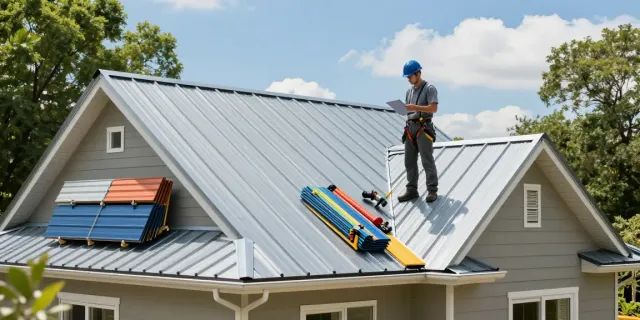
Proper tools and equipment are crucial during the installation of a metal roof. Essential tools include a drill, metal shears, safety harnesses, and ladders. Having all necessary items on hand before beginning ensures efficiency and safety throughout the process.
Installing Underlayment and Flashing
The first step in the actual installation process involves placing an underlayment. This acts as a moisture barrier, protecting the roof structure from leaks. Flashing around chimneys and vents must also be installed to prevent water infiltration. Proper installation of these components is vital for maximizing the roof's effectiveness.
Securing Metal Panels: Techniques and Tips
When securing the metal panels, it is important to use the right techniques to ensure they remain in place. Panels should be overlapped and fastened properly to avoid blow-offs during high winds. Special care should be taken to ensure that fasteners are driven in straight to prevent leaks.
Common Challenges During MRoof Installation
While installing a metal roof can provide many benefits, it is not without challenges. Homeowners should be aware of potential issues that could arise during installation.
Identifying and Addressing Structural Issues
One of the most common challenges is undetected structural issues that can affect the installation process. Prior to installation, a thorough inspection should be conducted to identify any necessary repairs. Failing to address these issues can lead to additional costs and complications later on.
Weather Considerations for Safe Installation
Weather plays a significant role in the installation process. Metal roofs should not be installed in wet, windy, or extremely cold conditions as these factors can make the material difficult to work with and can even pose safety hazards. Planning the installation during favorable weather conditions is essential.
Overcoming Misconceptions about Metal Roofing
Many homeowners have misconceptions about metal roofing, such as it being excessively noisy during rain or hail. However, when properly installed with soundproofing materials, metal roofs can be just as quiet as traditional roofing systems. Education and communication can help alleviate these concerns.
Maintenance and Care for Your Metal Roof
To maximize the lifespan of a metal roof, regular maintenance and care are essential. Homeowners should be aware of how to properly maintain their roof to ensure it continues to perform optimally.
Regular Inspections and Cleaning Guidelines
Homeowners should conduct regular inspections, ideally at least twice a year, to check for signs of rust, loose fasteners, or debris buildup. Keeping the roof clean is equally important; removing leaves, branches, and other debris can prevent moisture buildup and extend the life of your roof.
Identifying Signs of Damage or Wear
When inspecting a metal roof, be on the lookout for signs of wear such as rust spots, dented panels, or loose flashing. Early detection of these issues can help prevent more significant problems down the line.
Professional Services and Warranty Considerations
Using professional services for maintenance and repairs is highly recommended. Many manufacturers offer warranties that cover defects, but only if the roof is maintained according to their guidelines. Ensure that you are familiar with warranty terms to avoid any potential loss of coverage.
What are the benefits of choosing MRoof?
Choosing MRoof means investing in a roofing solution that combines durability, aesthetic appeal, and energy efficiency. Homeowners can have peace of mind knowing they have selected a reputable company in the GTA that prioritizes quality and customer satisfaction.
How long does a metal roof last?
A metal roof can last anywhere from 40 to 70 years, depending on the material and maintenance level. This longevity is a significant advantage for homeowners looking for a long-term roofing solution.
Can I install MRoof myself?
While some homeowners may be tempted to install a metal roof themselves, professional installation is recommended to avoid complications and ensure safety. The expertise of trained professionals ensures that the installation meets local building codes and manufacturer specifications.
What maintenance does a metal roof require?
Metal roofs require relatively low maintenance. Regular inspections, cleaning, and addressing small issues as they arise can significantly extend the lifespan of the roof. Routine maintenance is key to ensuring your investment remains intact.
What should I know before switching to metal roofing?
Before switching to metal roofing, it’s essential to consider factors such as climate, neighborhood aesthetics, and the condition of your current roof. Consulting with professionals can provide personalized insights and advice tailored to your specific situation.