
Understanding Water Damage Restoration West Vancouver
Water damage can be a homeowner’s worst nightmare, especially in the rainy climate of West Vancouver. With persistent precipitation and the potential for plumbing issues, it’s crucial to understand the ins and outs of Water Damage Restoration West Vancouver. This article delves into the myriad of challenges posed by water damage and emphasizes the importance of timely action.
What is Water Damage Restoration?
Water damage restoration is a comprehensive process that involves several steps to return a property to its original state after it has been affected by water. The process includes assessment, water extraction, drying, and repair. Professionals in this field use specialized equipment to ensure the property is safe, clean, and habitable.
Urgency in Addressing Water Damage
Time is of the essence when dealing with water damage. The longer water sits, the more extensive the damage can become, leading to costly repairs and health hazards such as mold. Immediate action not only mitigates damage but also helps preserve the value of the property.
Common Types of Water Damage in Homes
- Flooding: From heavy rainfall or localized flooding, excess water can invade homes, damaging floors, walls, and other structures.
- Leaks: Leaking pipes or roofs can create long-term damage that is often hidden from immediate view.
- Sewage backups: Contaminated water can pose significant health risks, making this type of damage particularly urgent.
Causes of Water Damage in West Vancouver
Identifying Burst Pipes and Leaks
One of the leading causes of water damage in West Vancouver homes is burst pipes, often due to temperature fluctuations or aging infrastructure. Regular inspections and maintenance can help identify these issues before they escalate into major problems.
Weather-Related Water Intrusions
Vancouver’s considerable rainfall can cause water to seep into homes, particularly if gutters are clogged or roofs are damaged. During severe weather, even well-maintained properties can face the risk of water intrusion.
Impact of Aging Plumbing Systems
Many homes in West Vancouver are older and have plumbing systems that may not meet today’s standards. Aging pipes, combined with high water pressure, can lead to leaks and bursts, necessitating prompt repair and restoration efforts.
Early Signs of Water Damage and Prevention
Recognizing Symptoms of Water Damage
Homeowners should be vigilant for signs indicating potential water damage. Staining on walls and ceilings, a musty smell, or an unexplained increase in water bills can all signal that repairs are needed. Early detection is key to minimizing further damage.
Preventive Measures for Homeowners
To ward off the threat of water damage, homeowners should regularly inspect their properties, maintain gutters, and ensure that windows and doors seal properly against the elements. Investing in waterproofing solutions can also prove beneficial in high-risk areas such as basements.
Role of Regular Inspections and Maintenance
Establishing a routine maintenance schedule can help homeowners catch potential issues before they manifest into severe water damage. This includes checking plumbing systems, roof shingles, and drainage systems to ensure there are no vulnerabilities that could lead to future problems.
The Water Damage Restoration Process
Initial Response and Assessment
The first step in the restoration process is assessing the extent of the damage. Restoration professionals arrive on-site to conduct a detailed examination, identify the source of the water intrusion, and determine the best course of action.
Water Extraction Techniques and Equipment
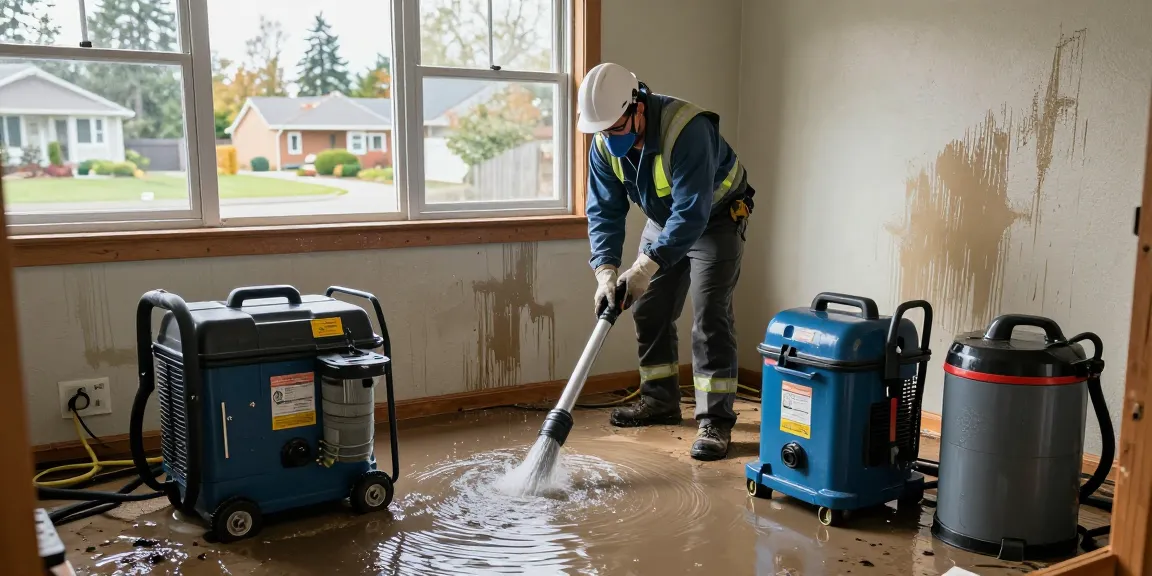
Utilizing industrial-grade equipment, water extraction involves removing standing water from the affected areas. High-capacity pumps and vacuums are employed to ensure all moisture is eliminated quickly and efficiently.
Final Repairs and Restoration Work
After the area has been thoroughly dried, restoration includes repairing any structural damage, replacing damaged flooring or drywall, and bringing the property back to its pre-loss condition. This step is crucial for ensuring the home’s longevity and safety.
Choosing a Professional Water Damage Restoration Service
What to Look for in a Restoration Company?
When selecting a restoration company, homeowners should prioritize certifications, experience, and customer reviews. Working with IICRC-certified professionals ensures that the team follows industry standards and possesses the necessary skills to handle various types of water damage.
Understanding Insurance Claims and Coverage
Many homeowners may not know what is covered under their insurance policy when it comes to water damage. It is advisable to review your policy and, if needed, consult with your insurance provider to understand coverage limits, deductibles, and documentation needed for claims.
Customer Testimonials and Case Studies
Potential clients should look for testimonials and case studies that illustrate a service’s reliability and effectiveness. Feedback from previous customers can provide insights into the company’s professionalism and the quality of their work.
Frequently Asked Questions
Why Should I Invest in Professional Restoration? Investing in professional restoration services can be cost-effective in the long run. By addressing issues promptly, homeowners can prevent further damage and avoid costly repairs.
What Steps Should I Take Immediately After a Water Incident? First, ensure safety by turning off water sources and electrical appliances. Contact a restoration service immediately to assess the damage and begin the recovery process.
How Do I Know if I Need Professional Help for Mold? If you suspect mold growth, particularly if you notice a musty smell or visible mold spots, professional help is advised to conduct thorough testing and remediation.
What Types of Equipment Are Used in Water Damage Restoration? Professionals use advanced equipment such as air movers, dehumidifiers, and thermal imaging cameras to thoroughly dry and assess spaces affected by water damage.
Can I Handle Minor Water Damage On My Own? While minor situations can sometimes be managed independently, significant water damage often requires professional intervention to ensure all moisture is removed and prevent mold growth.
How Does Weather Affect Water Damage Risks in Vancouver? Given Vancouver’s unique climate, the risk for water damage is heightened during heavy rain. Homeowners must be vigilant during these periods to monitor potential issues.